
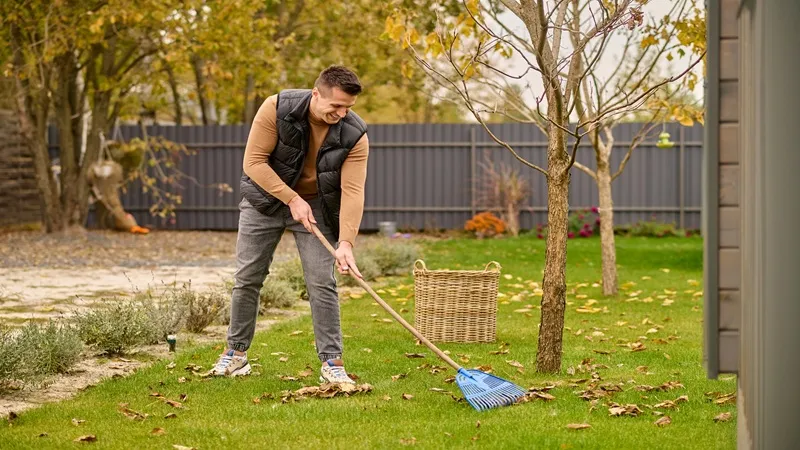
While it’s normal for lawns to show some wear and tear, certain warning signs indicate that your grass is struggling. It needs immediate attention before the damage becomes permanent or spreads out of control.
Ignoring these red flags can lead to ugly patches, invasive weeds, pests, and general lawn deterioration. On a brighter note, most lawn problems are fixable when caught early.
In this article, we’ll walk you through 7 clear signs your lawn is crying for help — and what you should do right away to bring it back to life.
1. Patchy or Uneven Growth
If parts of your lawn are growing taller while others barely seem to sprout, your grass is trying to tell you something. Compacted soil, poor nutrient balance, or inconsistent watering often cause this.
Uneven growth is more than just an eyesore. It can lead to bare spots that encourage weeds, moss, or even flooding in low areas.
You might notice this particularly after heavy winter rains in Manchester or prolonged dry spells in East Anglia, where different parts of the lawn react differently to weather conditions.
Aerating the soil is a game-changer. By poking small holes, you allow air, water, and nutrients to reach the roots, giving the lawn a chance to grow evenly. A balanced fertilizer can also help fill in pale, thin areas.
Over time, you’ll notice your lawn looking denser and greener, like the rolling lawns of a country manor.
2. Weeds Taking Over
A few dandelions aren’t the end of the world, but a sudden invasion is a red flag. Weeds compete with grass for nutrients, water, and sunlight. They thrive when soil conditions aren’t ideal.
Left unchecked, weeds can dominate quickly, especially after wet spells in autumn or spring. They spread rapidly into lawns in urban areas like Birmingham or Liverpool, where older gardens often have uneven soil conditions.
Managing weeds starts with understanding why they appear. Aerating helps disrupt their hold, fertilizer strengthens the grass, and mulching nearby garden beds reduces seed spread. Consistency is key—regular weeding before the seeds set prevents them from returning season after season.
3. Discoloured or Yellowing Grass
Yellow or brown patches usually mean your lawn isn’t getting the care it needs. Overwatering, under-watering, or nutrient deficiencies are often the cause. Even healthy lawns can suffer during hot spells in the south-east or soggy winters in Yorkshire.
Discolouration may also signal fungal issues like red thread or dollar spot, which thrive in cool, wet British conditions. Ignoring these early signs can allow infections to spread, leaving your lawn patchy and weak.
Checking the grass blades and soil regularly helps catch problems before they become widespread.
A soil test is your best friend. It can identify deficiencies, allowing you to apply the correct fertilizer for nitrogen, phosphorus, or potassium. Adjusting watering habits, especially during dry periods or after unexpected rain, helps grass recover its vibrant green colour.
4. Signs of Pest Damage
Lawn pests such as grubs or armyworms can devastate your grass if left unchecked. Birds foraging for grubs, easily pulled-up patches, or irregular brown spots are usually your first clues.
Pests often become more noticeable after mild, wet winters, when populations explode. Lawns in suburban areas or gardens near woodland edges are particularly vulnerable. Left untreated, these pests can create bald patches that attract weeds or moss.
Acting fast with natural solutions like beneficial nematodes or neem oil can prevent severe damage.
If you think that chemical options are needed, it’s essential to apply them safely to avoid harming other wildlife in your garden. This is especially important if you live near protected green spaces or in cities with busy pollinator populations.
5. Thatch Build-Up
A thick layer of thatch—a mix of dead grass and roots—prevents water, air, and nutrients from reaching your soil. Left too long, it chokes your lawn and encourages disease.
Thatch tends to accumulate more in high-traffic lawns, such as those used for kids’ football games or summer barbecues. It’s especially common in heavily fertilized lawns in towns like Cambridge or Oxford, where lush growth can quickly outpace natural decomposition.
Dethatching removes this barrier, either with a manual rake or a vertical mower, ideally during spring or autumn. Regular mowing and careful fertilization prevent future build-up, keeping your lawn breathable and healthy.
For large lawns or stubborn thatch layers, hiring a professional ensures the job is thorough. Experts can recommend the best timing, tools, and techniques, saving your grass from unnecessary stress and helping it recover faster.
6. Poor Drainage or Puddles
Standing water is more than inconvenient—it’s damaging. Puddles encourage lawn disease, attract pests, and can create bare, muddy patches.
Drainage problems are common in low-lying areas or gardens built on clay soil, which is prevalent across southern England.
Winter rains can leave lawns sodden for weeks if not addressed. Even modest puddling in suburban front lawns in towns like Reading can spoil the look and feel of your garden.
Aerating helps water penetrate the soil, while French drains or dry wells may be necessary for persistent problems. Regular inspection after rainfall shows where improvements are needed before the damage spreads.
7. Lawn Looks Lifeless All Year
A lawn that looks dull or thin year-round signals deeper issues. Soil fatigue, poor planting, or inconsistent care can leave grass lacking vibrancy, even if other problems are managed.
This is often noticeable in shaded urban gardens or north-facing lawns in the UK, where light levels limit growth. Your lawn may struggle to fill out and never reach its full potential without proper intervention.
Revitalizing your lawn requires a combination of soil improvement, seasonal planting, and ongoing maintenance.
Over time, these efforts restore thickness, colour, and resilience, making your garden feel more like a cared-for retreat than a neglected patch.
When to Call in Lawn Care Professionals
Some lawn issues—such as stubborn weeds, persistent pests, or drainage problems—are better handled by the experts. Professional lawn mowing specialists can spot the early signs, test soil, recommend fertilizers, and carry out treatments efficiently.
Whether you live in a city terrace in Manchester or a semi-detached in Surrey, hiring a pro can keep your lawn lush and welcoming all year.
Conclusion
Your lawn is a living, breathing part of your home, and like any living thing, it sends clear signals when it’s in trouble.
Don’t wait until bare patches take over or weeds dominate. Check your lawn regularly, and give your grass the care it deserves. A healthy lawn not only boosts your home’s curb appeal but also creates a wonderful space for socializing and relaxing.
Ready to rescue your lawn? Start with the signs you noticed today — your grass will thank you for it! See more