
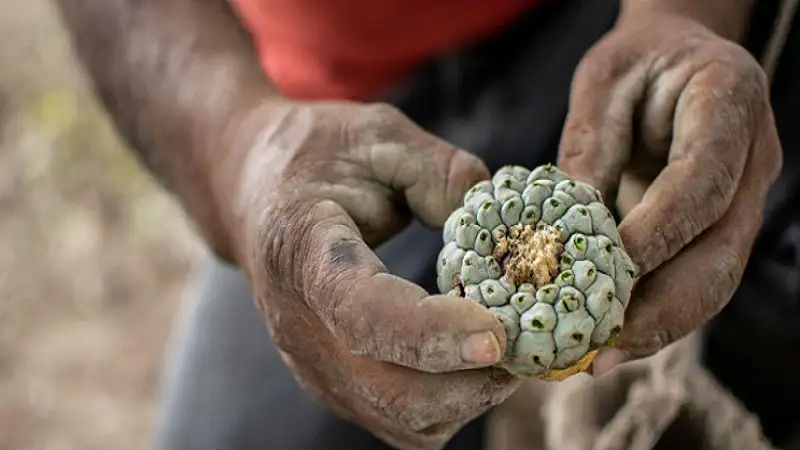
Mescaline is a widely present psychedelic substance which has been reported to cause a lot of perception, emotion and consciousness affect surrounding. It has been used in both spiritual and healing rituals among indigenous cultures for centuries and it is only within the last decades that it has become a subject of interest by modern scientific research on whether it may have a role in the treatment of mental illness. This paper will explore mescaline drug, its history, carnations, its legal state as well as its presence in the ongoing cycles and trends of psychedelics and medicine.
Define Mescaline?
Mescaline is a psychedelic alkaloid and is hypothesized to be found in a variety of plant species of cactus including the Peyote cactus (Lophophora williamsii), San Pedro cactus (Echinopsis pachanoi), and Peruvian Torch cactus (Echinopsis peruviana). It is a 3, 4, 5- trimethoxyphenethylamine molecule and belongs to the phenethylamine family of psychedelics.
Natural Origins
Unlike the majority of synthetic psychedelics, including LSD and MDMA, mescaline is a natural product that is commonly used within the Native American and Andean communities. Mescaline-containing cacti are used in counsel, community, and medicine in those communities.
How Does Mescaline Work?
The mescaline is primarily associated with the mediating system of serotonin within the brain and this is the serotonin 5-HT2A receptors which are extensively involved in mood control, perception and thinking. When mescaline binds to these receptors, the brain alters the information processing altering the brain resulting in severe visual and auditory hallucinations, emotional variations, a feeling of averted time and space.
The Mescaline Drug Effects
Depending on the dosage and environment and the psychological state of the user then mescaline can be of a very intense effect. The average mescaline experience lasts 10-12 hours and the effects of mescaline begin an hour or two after taking.
Common Effects
- Visual hallucinations: Patterns, bright colors and geometrical shapes- Visual hallucinations.
- Sound Enhanced sensory hemisphere: The sound can be increased and therefore, touch can be increased.
- Ego dissolution: Being universal, being one.
- Emotional discharge: Intense introspection, joy or even fear.
- erotic temporal vision: Hours can be minutes.
Physical Effects
- Dilated pupils
- Responses of high heart rate and blood pressure.
- Malaise and Accompanied by nausea and vomiting (is typical of Peyote)
- Sweating or chills
This is harsh but orientation towards mescaline is neither an addiction nor detrimental more than the other drugs.
Traditional Use of Mescaline
Native American Use
Native American spirituality considers mescaline (as Peyote) a religious sacrament, particularly in the Native American Church. It is used in religious works as a means of improvement in healing, moral inspection and supplication to Gods.
Andean Shamanism
San Pedro cactus is centuries old since it was applied by shamans in South America. Rituals can be described through ritual music, prayer, guided meditation and could tend to bring the participants in contact with nature or with the spirit guides or the past wisdom.
Mescaline and the Law
The status of the mescaline drug is not similar throughout all countries or even states in the same country.
United States
- Mescaline is a Schedule 1 drug and, therefore, it is illegal to be in possession of the controlled substance as per the federal laws.
- Exemption: The Native American Church is allowed to use Peyote legally in the religious services of the church members due to the safeguarding provided to it under the American Indian Religious Freedom Act.
Canada and Europe
- Mescaline By and large, mescaline is an illegal drug to own or peddle.
- The use or cultivation of mescaline plants for decorative or cultural purposes is however accepted in some countries.
South America
The San Pedro is also legal and widely used in some of the countries like Peru and Ecuador, as a cultural preservation.
Mescaline in Modern Science
The Return of Psychedelic Research
Over the last several years, scientific research on the therapeutic value of psychedelics has returned. An emerging treatment of mental conditions including: mescaline, which has not been well studied to date given its comparison with psilocybin or LSD.
- Depression
- Anxiety
- PTSD (Post-Traumatic Stress Disorder)
- Addiction
The study has revealed that mescaline could induce mystical experiences of sorts that are linked to the long-term influences of mental health.
The New Frontier: Psychedelics and Medicine
The reappearance of psychedelics and medicine transforms the view of mental health care. The psychedelic drugs like mescaline are no longer considered as recreational or counter-culture drugs, but they are also now being taken as viable ways of treatment.
Mescaline Clinical Potential
Despite a rather limited research carried out to date, unlike psilocybin or MDMA, the initial results have shown that mescaline may have certain therapeutic value:
- Less chance of ego inflating: Grounding experience is usually reported by the users.
- Less abrupt: The introduction of mescaline is not as abrupt as synthetic psychedelics.
- Spiritual enrichment: The excursion is sufficiently long to be a comprehensive self-reflection.
These are what make mescaline a potentially valuable source of psychedelic-assisted therapy, especially those people who might be in need of additional therapy, and one closer to nature or spirituality.
Risks and Considerations
Despite its promising effects, mescaline is not without risks:
- Psychological distress: On high doses, it will either lead to paranoia, panic, or excessive experiences.
- Other underlying health problems: Schizophrenia patients or bipolar patients may respond in the negative way.
- Legal problems: Law may be a problem in any way because it is a Schedule I drug.
The reason is that mescaline is supposed to be used in a controlled form preferably in a therapeutic or ceremonial orientation as under the tutelage of an expert individual.
Conclusion
One of the most intriguing and old psychedelics yet known to man is the mescaline drug. Since Mescaline is central to Native Americanization ceremonies as well as the laboratories of contemporary neuroscience, it has proved to be far more than a hallucinogenic compound, the possible solution to the spiritual and the scientific.
Mescaline has the potential to one day become a valid tool in medicine including healing collectively with introspection and psychological development as the world remains open to the question of between psychedelics and medicine. It is a unique substance with a wealthy history, natural origins, as well as therapeutic potential, that deserves both respect and scientific study..