
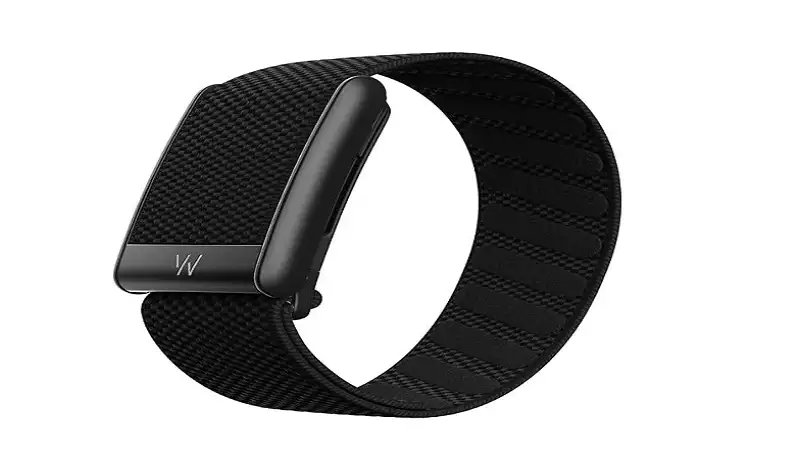
Smart bands have become a must-have gadget in every person regardless of their age, in a time and age where people are becoming more and more health conscious. These are smooth, wearable devices that provide a blend of fitness, health, and connectivity options that are remaking the ways in which we are conceptualizing personal well-being. Regardless of your age and fitness levels, as a busy person or an elderly citizen trying to track the vital virtual indicators, smart bands are making healthcare a dynamic, live experience.
This paper will discuss smart bands in detail, their functionality, their main characteristics and how they are transforming wearables among the elderly.
What is a Smart Band?
A smart band (alternatively called a fitness tracker or activity band) is a form of wearable technology that is used to track fitness and health related metrics in the first place. They are small gadgets that are usually placed on the wrist and come with sensors that can monitor a number of parameters including:
- Heart rate
- Steps taken
- Calories burned
- Sleep patterns
- Blood oxygen level (SpO2)
- ECG (in some advanced models)
It is noteworthy that a considerable part of smart bands also have Bluetooth connectivity and can stream in with smartphones and give out notifications and reminders and access to mobile apps.
Key Features of Smart Bands
-
Health and Fitness Tracking
A majority of intelligent bands can be used to measure physical activity and health indicators. These include:
-
- Step Count: Number of Steps This is the amount of steps you have accomplished during the day.
- Heart Rate Monitoring: We wear it and use it to watch our heartbeat increasing and decreasing pace of a workout or a rest.
- Step Count: Number of Steps This is the amount of steps you have accomplished during the day.
- Sleep Monitoring: Tracks the amount of hours an individual sleeps plus the quality of the sleep including the deep and the light sleep waves.
- Calories Burned: This is approximated to be the amount of calories burned based on your activity level.
- Blood Oxygen level (SpO2): What percentage of your blood is saturated with oxygen with a blood gas meter a vital indicator of the well being of your breath.
- ECG Monitoring: ECG is another feature that can be performed by some advanced models to detect the abnormalities of the heart.
-
Water Resistance
Majority of current smart bands come in water resistant models thus making it possible to use it when one goes swimming or when taking a shower as well thus providing flexibility and ease to daily life.
-
Battery Life
Smart bands are effective in terms of energy consumption unlike smartphones. Certain models have a battery life of up to 2 weeks or longer under different usage conditions and depending on the features that are being used.
-
Smart Notifications
The smart bands can be connected with the smart phones to provide the user with calls, messages, calendar alerts, and application alerts- keeping them connected without the necessity of looking at their phone all the time.
-
GPS Tracking
On-board or integrated GPS makes tracking of your outdoor activities such as running, walking, or cycling accurate, and mapping your paths in real-time.
The Emergence of Wearables to Elderly
Although smart bands were initially made to appeal to both the fitness oriented and technologically inclined millennials, a major change is being realized. Elderly wearables have emerged as one of the most significant investors in the health-tech market.
The rationale behind why the Elderly need the Smart Bands
The elderly people become vulnerable to chronic diseases, falls, and cognitive impairment as they grow older. Smart bands provide a continuous, and non-intrusive method of keeping track of health, identifying abnormalities in time and even notifying caregivers or doctors when there is an emergency.
Medical Problems in the Elderly:
- Irregular heart rhythms (arrhythmias)
- Hypertension
- Diabetes
- Sleep disorders
- Limited mobility
- Memory loss or dementia
Benefits of Smart Bands for Seniors
-
Health Monitoring
Smart bands are able to monitor the heart rate, sleep quality and blood oxygen which are crucial parameters in older people. Live health information will allow elderly individuals to manage the existing illnesses more efficiently and even avoid possible harmful health conditions.
-
Fall Detection and Emergency Alerts
There are smart bands fitted with fall sensors. Once a fall is identified, the device is able to automatically transmit an emergency notification to a specific contact or an emergency service. This is particularly very important to the elderly who live alone.
-
Medication Reminders
Loss of memory is typical among the elderly. It is possible to program smart bands to remind us about medicine, drinking (hydration), or doctor visits – and keep a pattern of organization and healthy habits.
-
Location Tracking
Smart bands with GPS features are particularly handy in the case of the elderly with dementia or Alzheimer. Caregivers are able to know the whereabouts of the wearer in real-time and can establish geo-fencing notifications in case he or she goes outside a safe zone.
-
Easy-to-Use Interfaces
The wearables used by older individuals have bigger fonts, easy-to-use interfaces, and touch-sensitive controls so that even nontech-savvy people can use it.
Selecting the Right Smart Band
Factors to Consider:
-
Compatibility
Make sure that the smart band is connected to your Android or iOS-based smartphone, in case you will have to feed the health-related data into the apps such as Google Fit, Apple Health, or the portal of a healthcare organization.
-
Battery Life
Long battery is good especially to older users who will tend to forget to recharge their devices on a regular basis. Find those models that provide a minimum of a week on a single charge.
-
Display Quality
Old users and those who have visual impairments will need a bright and clearly displayed screen with large fonts on this.
-
Comfort and Fit
The band must be light, easy to adjust and easy to wear throughout the day.
-
Advanced Health Features
The ECG monitor, blood pressure monitor or sleep apnea sensors could be advantageous to persons with long-term medical conditions.
Fashionable Smart Bands of All Ages
The most dominant models of the smart band are:
- Xiaomi Mi Band series – cheap, dependable and feature apprehensive.
- Fitbit Charge – Is available with enhanced sleep and heart health tracking.
- Amazfit Band – The company boasts of extended battery-life and SpO2.
- Apple Watch SE or Series 8 (it is technically a smartwatch, yet it is rich in health features, which seniors find desirable).
- Garmin Vivo smart- some of the most popular fitness trackers equipped with precise HR measurements.
Challenges and Limitations
Even though smart bands have numerous advantages, the issues that need to be considered are also numerous:
- variances in accuracy: Not every budget device is accurate medically.
- Data Bombs: Not all users might cope with the presence of endless health data.
- Privacy Issues: Keeping valuable health information on clouds attracts concerns of security and privacy.
- Price: High end models that feature the latest features are not cheap.
The Future of Smart Bands
Smart bands are going towards more AI-based deep integration, predictive analytics, and telemedicine. As machine learning advances, such wearables will go beyond data collection to interpretation, providing customized health information and providing alerts on possible health issues.
Also, the features of connecting to healthcare systems will enable doctors to receive real-time patient information, which makes remote consultation more efficient.
Conclusion
The smart band is not merely a fitness device, but a strong health ally and can make a massive difference in living quality. The opportunity of Wearables for elderly is even more powerful with the rising availability and usability of technology.
Be it following a fitness routine, living with a chronic condition, or just wanting to have a calmed mind, a smart band may be in the top ten investments that you can make in your health and wellbeing.